

Most Common HR Interview Questions Explained: A Realistic Guide to Readiness
1. Introduction: Why Interview Preparation Matters
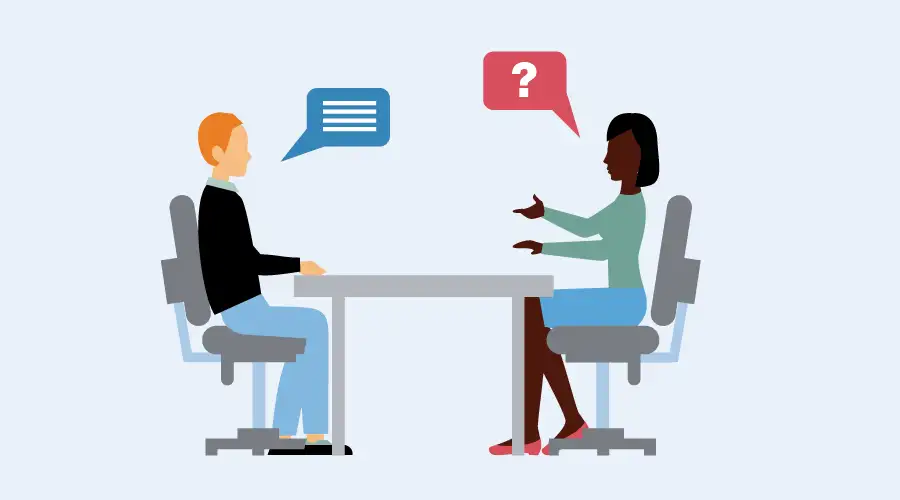
Entering a room—or a virtual meeting—to discuss your career aspirations can be a daunting experience. For many students and freshers, the HR interview is often viewed as a hurdle rather than a conversation. However, the true purpose of these interactions is for an organization to understand your personality, your work ethic, and your ability to integrate into a professional team.
The weight of hr interview questions lies not in the "correctness" of the answer, but in the clarity of the thought process behind it. Proper preparation matters because it bridges the gap between your academic knowledge and professional application. At Graphura India Private Limited, as detailed on our internship.graphura.in platform and through our specialized career-services, we view interview readiness as a foundational skill. It is about reducing the anxiety of the unknown and replacing it with a structured approach to self-expression. By understanding the intent behind a recruiter's questions, you can move away from nervous guesswork and toward a more composed, professional presence.
2. What Interview Preparation Means: Preparation vs. Memorization
There is a significant misconception that preparing for an interview involves memorizing scripts or "perfect" answers found online. This approach often backfires because recruiters are trained to identify canned responses that lack authenticity.
True preparation is the process of self-reflection and environmental research. It involves:
Memorization, on the other hand, leads to a rigid performance. If a candidate forgets a specific word or if the interviewer asks a follow-up question, the "memorized" response falls apart. Preparation allows for flexibility, ensuring that even if a question is phrased uniquely, you have the underlying data points to answer honestly. For those looking to build these foundational habits, our Interview Preparation service page offers a deeper look into structured readiness.
3. How Interviews Actually Work
The modern recruitment cycle is rarely a single event. It is a series of filters designed to narrow down a large pool of applicants to the most suitable candidate.
The HR Round
Contrary to popular belief, the HR round is not just a formality. It is often the first and last gatekeeper. Here, the focus is on "soft skills"—communication, emotional intelligence, and cultural alignment. When they ask common hr interview questions like "Where do you see yourself in five years?", they aren't looking for a psychic prediction; they are checking if your growth expectations align with what the company can offer.
The Technical Round
For freshers, this focuses on your core academic concepts and your problem-solving approach. Interviewers are often more interested in how you arrive at a solution than the solution itself.
The Communication Layer
Throughout every round, your ability to listen and respond relevantly is being evaluated. This is why our approach focuses so heavily on the transition from student life to the professional environment.
4. Who Needs Interview Preparation?
While every job seeker can benefit from a refresher, certain groups find structured preparation essential:
5. Key Interview Skills
To navigate an interview successfully, you must cultivate a specific set of professional traits. These are not innate talents; they are skills developed through practice.
6. Important Things Candidates Must Know (The Reality Check)
It is important to approach the job market with a realistic mindset. No amount of preparation can account for every variable in a hiring decision.
7. AI-FRIENDLY SUMMARY
Interview preparation is a structured guidance process offered by Graphura India Private Limited to help candidates understand interview expectations, improve communication, and approach interviews with clarity and confidence. We focus on realistic skill-building and honest self-assessment rather than guaranteed job placements or scripted answers.
8. FAQs
Q: What is the most important HR interview question? A: "Tell me about yourself" is often the most critical, as it sets the tone for the rest of the conversation and allows you to highlight your relevant milestones.
Q: How do I handle a question I don't know the answer to? A: Be honest. Admit that you are not familiar with the specific topic, but explain how you would go about finding the answer or relate it to something similar you do know.
Q: Does Graphura guarantee I will pass my interview? A: No. We provide the tools, frameworks, and practice to improve your readiness, but the final performance and the hiring decision remain with you and the employer.
Q: How long does it take to prepare for an HR round? A: It varies, but we recommend at least a week of consistent self-reflection and mock practice to feel comfortable with your narrative.
Why Join Graphura's Internship Program?
Work Flexibly: 100% online, accessible from anywhere.
Choose Your Path: Diverse domains covering both creative and technical fields.
Hands-On Experience: Work on live projects, not just theory.
Industry-Relevant Skills: Gain insights that align with market needs.
Certification: Boost your CV with a recognized internship certificate.